
Profile
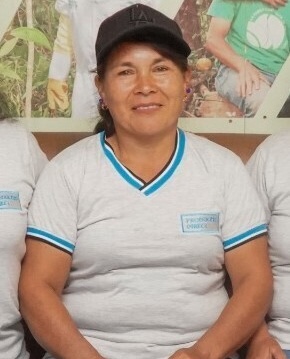 Marina Isabel Rodriguez Moreto is a 50 year old coffee producer and member of Cooperativa Aprocassi in northern Peru. Like many women smallholder farmers, Marina plays a central role in managing both farm activities and household finances. However, before participating in the ROTA financial logbooks initiative, much of her financial information was not systematically recorded, making it difficult to clearly understand income, expenses, and opportunities for planning and investment.
Challenge
Marina had never received information about the finances of her estate, it was always to receive payment for coffee production and other economic activities and to make expenses for the home. While she managed daily expenses and productive activities, the lack of accessible financial tools adapted to her reality limited her ability to monitor spending patterns, plan ahead, and make informed economic decisions.
Like many women farmers, she also had limited access to financial information presented in ways that were practical, visual, and easy to interpret.
Intervention
Through the ROTA program, Marina participated in the implementation of the Financial Logbooks system, codesigned with her and other women farmers to better respond to their needs and realities.
Using the logbook, Marina began recording production, income, expenses, and household financial activities in a structured and visual format in a structured format even if writing and reading is a challenge for her. The information collected was later digitized and transformed into personalized financial insights and recommendations.
These recommendations were designed collaboratively with farmers themselves, ensuring that the format, language, and visual presentation were understandable, relevant, and useful for decision making.
Results
Participating in the program allowed Marina to better understand the relationship between her farm income, productive expenses, and household economy. Through the financial literacy workshops and the use of logbooks, she began identifying practical ways to organize her finances and save toward personal and family goals. During one of the workshops, Marina shared: “I have many dreams: my health, getting a general medical check-up, finishing my house, and saving 20,000 soles”.
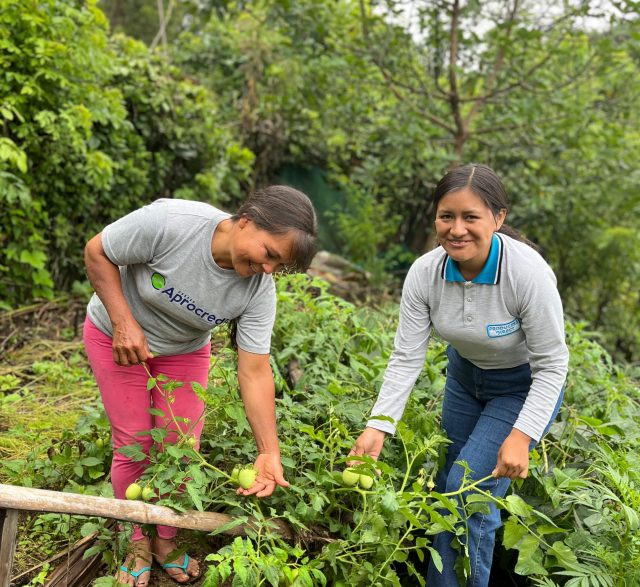 The program helped her recognize the importance of recording financial information and analyzing her own data to make more informed decisions. As a result, Marina gained greater confidence in managing both her farm and household finances, while also developing a clearer vision of how to plan and save for her future aspirations.
Impact
Beyond improving financial understanding, the initiative strengthened Marina’s sense of agency and participation within the cooperative. The project recognized women not only as producers, but also as key economic decision makers within their households and communities.
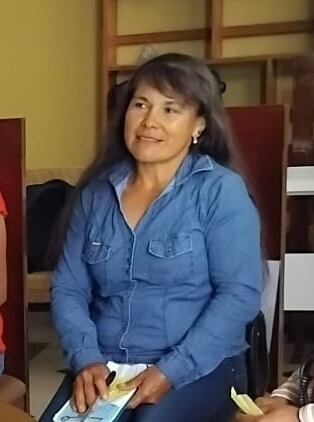
By receiving analyzed and visually friendly recommendations based on her own records, Marina felt more included in financial processes that are often inaccessible to rural women farmers.
Outlook
Marina believes the financial logbooks can become an important tool for strengthening women farmers’ financial resilience and decision making over time. While maintaining records consistently can still be challenging and requires continued accompaniment, she values the practical insights generated through the process. As Marina explained, “Once you understand it, filling in the notebook is easy”.
Through the initiative, she has come to see how personal and farm financial information can be transformed into useful knowledge for everyday decision making, helping improve both household and farm management. Marina also expressed her willingness to encourage other women producers to participate, saying: “I would share it with people who are interested, with anyone who wants to learn”.